Best Core Insurance Systems in 2026
A practical framework for evaluating modern P&C core platforms across claims, policy, billing, and operations.
Attribute
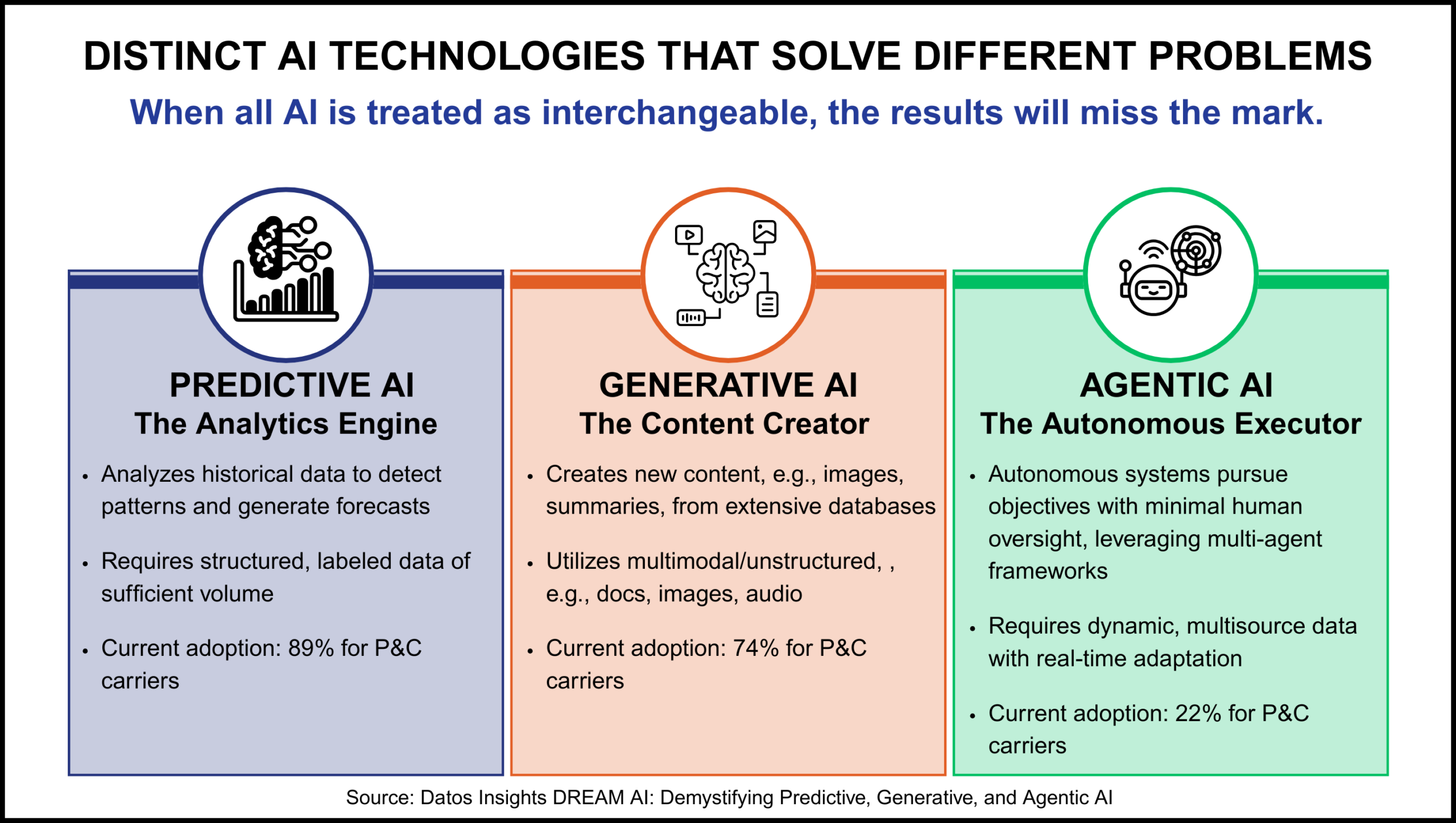
Built-In, Multi-Model AI
What it is:
A core insurance platform that embeds multiple AI models: Predictive AI, Generative AI, NLP, expert systems, and Agentic AI directly into claims, policy, billing, and finance workflows.
Why it matters:
Bolt-on AI tools create latency, governance risk, and fragmented insight. Insurers need AI that operates in real time within the system of record.
How modern systems support it:
Leading core platforms embed AI at the workflow level, allowing models to share context, enforce rules, and operate under consistent governance.
What organizations gain:
Faster decisions, lower operational friction, and AI-driven automation that remains explainable and auditable.

Claims Management and Oversight
Accessible AI for Business Users
What it is:
AI capabilities embedded directly into core insurance workflows that are usable by claims, operations, underwriting, and risk teams—not just data scientists or developers.
Why it matters:
AI adoption fails when models are opaque, inaccessible, or controlled solely by IT. Business users need to understand, trust, and guide AI-driven decisions.
How modern systems support it:
Leading platforms embed explainable AI, configurable rules, and human-in-the-loop controls directly into claims and policy workflows.
What organizations gain:
Higher AI adoption, faster decision-making, and confident automation without sacrificing oversight or accountability.
Attribute
Unified Claims, Policy, and Billing Platform
What it is:
A single core system that manages claims, policy administration, billing, and financial processes on a shared data model.
Why it matters:
Siloed systems create reconciliation issues, data delays, and inconsistent decision-making across the insurance lifecycle.
How modern systems support it:
Modern cores unify operational modules on a common platform, enabling real-time data sharing and consistent workflows.
What organizations gain:
Improved operational efficiency, better data integrity, and a complete, real-time view of risk and performance.

ATTRIBUTE
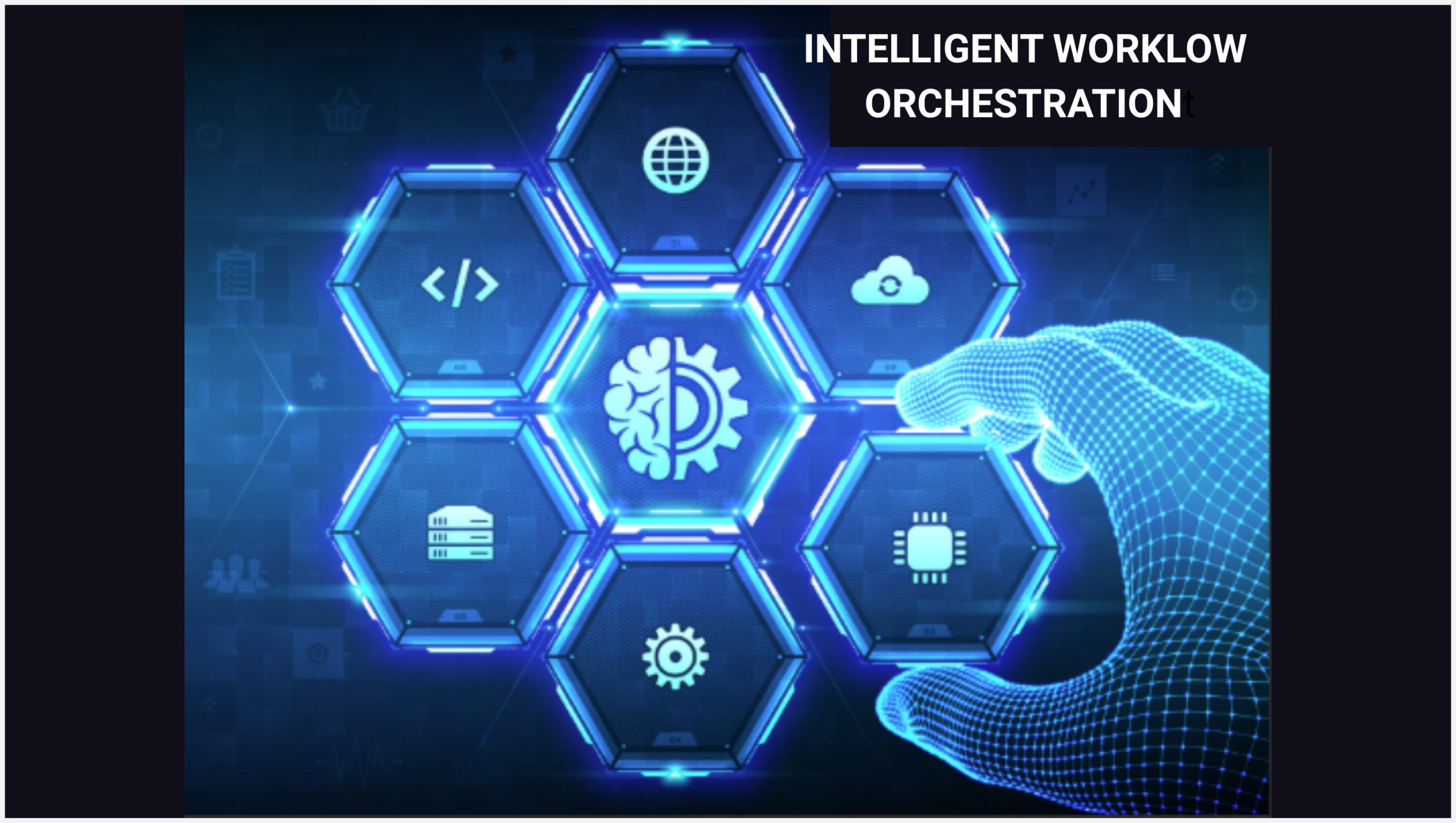
Intelligent Workflow Orchestration
What it is:
The ability to dynamically route tasks, decisions, and escalations across people, systems, and AI agents based on rules, context, and outcomes..
Why it matters:
Static workflows slow down operations and prevent organizations from responding to changing claim complexity, volume, or regulatory requirements.
How modern systems support it:
Advanced platforms combine rules engines, AI insights, and event-driven triggers to orchestrate workflows in real time.
What organizations gain:
Faster processing, reduced bottlenecks, and workflows that adapt automatically as conditions change.
Attribute
Low-Code Configurability Without Custom Code
What it is:
Tools that allow insurers to configure workflows, rules, forms, and business logic without writing or maintaining custom code.
Why it matters:
Custom development increases cost, slows innovation, and creates long-term maintenance risk.
How modern systems support it:
Low-code configuration layers enable business and IT teams to safely modify processes while preserving system integrity.
What organizations gain:
Faster time to value, lower total cost of ownership, and the flexibility to adapt without re-platforming.

ATTRIBUTE
Cloud-Native Scalability
What it is:
A core insurance system built natively for the cloud, designed to scale automatically with volume, users, and data.
Why it matters:
Legacy systems struggle with claim surges, data growth, and remote access requirements.
How modern systems support it:
Cloud-native architectures use elastic infrastructure, modern deployment models, and high-availability design.
What organizations gain:
Improved performance, resilience during peak demand, and reduced infrastructure management burden.

Attribute
Governance, Security, and Compliance by Design
What it is:
Built-in controls that ensure data security, regulatory compliance, auditability, and AI governance across all workflows.
Why it matters:
Insurance operations are highly regulated, and AI introduces new oversight and explainability requirements.
How modern systems support it:
Leading platforms embed role-based access, audit trails, explainable AI, and compliance monitoring directly into the core system.
What organizations gain:
Lower compliance risk, easier audits, and confidence that automation aligns with regulatory expectations.

ATTRIBUTE
API-First, Integration-Friendly Architecture
What it is:
A platform designed to integrate easily with external systems, data sources, and partners using modern APIs.
Why it matters:
Insurers rely on ecosystems of vendors, data providers, and legacy tools that must work together seamlessly.
How modern systems support it:
API-first architectures enable secure, standardized integrations without custom point-to-point development.
What organizations gain:
Greater flexibility, faster partner onboarding, and the ability to evolve without system lock-in.

Attribute
Multi-Stakeholder Experience (Internal & External)
What it is:
A core platform that supports the needs of internal users (claims, operations, IT) and external stakeholders (policyholders, brokers, employers, public entities).
Why it matters:
Disjointed user experiences create friction, delays, and poor service outcomes.
How modern systems support it:
Modern platforms provide role-based portals, dashboards, and communication tools tailored to each stakeholder.
What organizations gain:
Improved satisfaction, reduced manual communication, and more efficient collaboration across all parties.

ATTRIBUTE
Designed to Evolve with AI Advancements
What it is:
A future-ready architecture that can incorporate new AI models, automation techniques, and regulatory requirements over time.
Why it matters:
AI capabilities are advancing rapidly, and static systems quickly become obsolete.
How modern systems support it:
Modular AI architectures and configurable workflows allow organizations to adopt new capabilities without disruption.
What organizations gain:
Long-term platform viability, continuous innovation, and protection against technological obsolescence.

The best core insurance systems combine accessible AI, unified operations, intelligent workflows, low-code configurability, and built-in governance on a cloud-native, integration-friendly platform. These systems empower insurers, TPAs, risk pools, and public entities to scale efficiently while maintaining trust, compliance, and operational control.
Frequently Asked Questions
What defines the best core insurance systems in 2026?
The best core insurance systems in 2026 combine claims management, policy administration, billing, analytics, and AI on a unified platform. Leading systems are cloud-native, configurable without custom code, and embed AI directly into workflows rather than relying on bolt-on tools. Equally important, they support governance, explainability, and human oversight as AI becomes more autonomous.
Why is built-in AI important in modern core insurance platforms?
Built-in AI allows insurers to act on insights in real time, using the same data model that powers claims and policy workflows. In contrast to bolt-on AI solutions, embedded AI improves context, reduces integration complexity, and ensures decisions remain explainable and auditable. This is a defining characteristic of the best claims management software and best P&C core systems moving into 2026.
What types of AI should a best-in-class core insurance system support?
Best-in-class core insurance systems support multiple AI models working together, including:
Predictive AI for risk scoring, severity prediction, and outcome forecasting
Generative AI for summarization, documentation, and communication
Natural Language Processing (NLP) for extracting insights from unstructured data
Agentic AI for orchestrating tasks, monitoring exceptions, and driving next-best actions
This multi-model approach enables intelligent automation without sacrificing control.
How does Spear Technologies fit into the best core insurance systems category?
Spear Technologies delivers a modern P&C core platform—SpearSuite™, including SpearClaims™ and SpearPolicy™—designed around Accessible AI, configurability, and intelligent orchestration. AI is embedded directly into claims and policy workflows, enabling insurers and administrators to automate responsibly while keeping business users in control.

Evaluating the best core insurance systems for 2026?
Explore how SpearSuite™ brings claims, policy, and AI together on one platform—built for scalability, governance, and real-world insurance operations.
